Technology • Unboxings • 2026
Nintendo Switch: A Technical and Commercial Retrospective – Is It Still Worth It?
Check out the HEYSTOP Case for Switch OLED here.
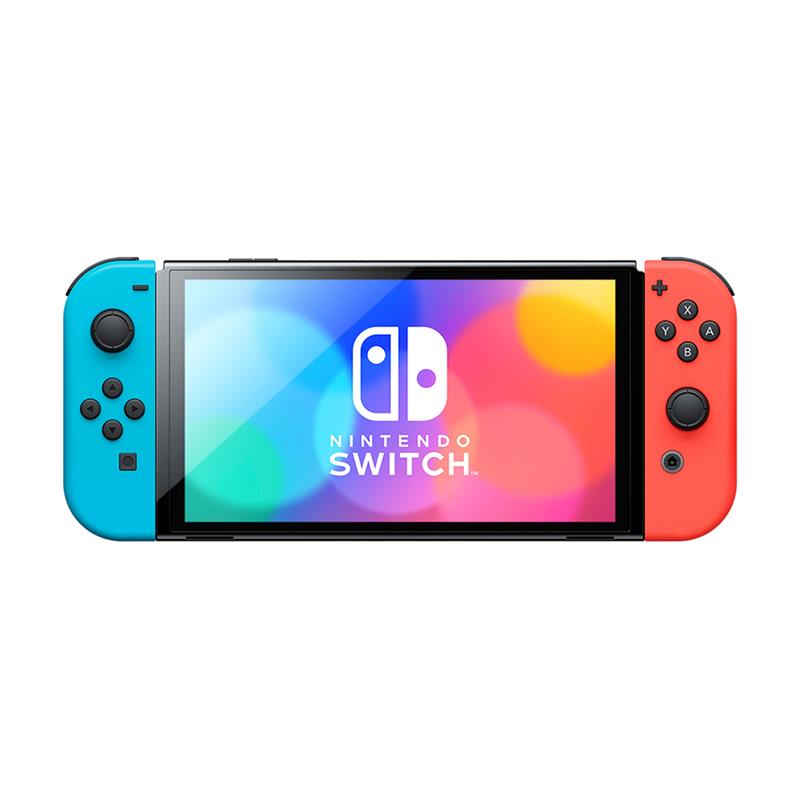
The global interactive entertainment landscape underwent a tectonic shift on March 3, 2017, with the release of the Nintendo Switch. Developed under the internal project code “NX,” the system was designed to resolve the commercial and conceptual bifurcations that had previously defined Nintendo’s hardware strategy. As we sit here in early 2026, the platform has achieved the distinction of being Nintendo’s most successful hardware release, with cumulative sales reaching 155.37 million units.
But with the Nintendo Switch 2 now dominating headlines, I had to ask: as a tech lover and enthusiast at TheKZVerse, is the original hybrid paradigm still worth your time and money? I decided to go back to basics, unbox a fresh OLED model, and see if the experience still holds up in a world of 4K handhelds and AI upscaling.
The Architectural Engineering: Nvidia Tegra X1 Ecosystem
The Nintendo Switch is powered by a custom Nvidia Tegra X1 system-on-a-chip (SoC). While it’s easy to look at the specs today and call them “dated,” the Maxwell GPU architecture was revolutionary for a mobile-class chip in 2017. It allowed for modern rendering techniques, including physically based rendering (PBR) and advanced lighting models, to be executed on a device you can fit in a backpack.
In 2026, the 4 GB of LPDDR4 RAM might seem slim compared to the 12 GB found in the Switch 2, but the efficiency of the Horizon OS is a masterclass in optimization. During my testing, the “instant transition” feature between handheld and TV play remains faster than many modern PC-based handhelds like the Steam Deck. For the best handheld experience, I highly recommend the iVoler 4 Pack Tempered Glass Screen Protector to keep that OLED crisp.
Key Specifications Table
| Component | Nintendo Switch (OLED Model) |
|---|---|
| SoC | Nvidia Custom Tegra X1 (Maxwell Architecture) |
| Memory | 4 GB LPDDR4 |
| Storage | 64 GB eMMC (Expandable up to 2 TB) |
| Display | 7.0-inch OLED (720p Handheld / 1080p Docked) |
| Battery | 4,310 mAh (approx. 4.5 – 9 hours) |
The Modular Interface: Joy-Cons and Peripherals
A defining characteristic of the Nintendo Switch is its modularity. The detachable Joy-Cons utilize a proprietary rail system that still feels like magic when you slide them in. Between the HD Rumble and the IR Motion Camera, these controllers packed more tech into a small space than almost any peripheral of the decade.
However, we have to talk about the “quirks.” Joy-Con Drift is real. While Nintendo has a free repair program, I’ve found that using an external controller for docked play is the way to go. The PowerA Enhanced Wireless Controller is an absolute must-have for anyone serious about Smash Bros or Zelda marathons. It’s more ergonomic and avoids the wear and tear on your precious Joy-Cons.
Comparing the Generations: Switch vs. Switch 2
As we covered on the TheKZVerse homepage, the transition to the Nintendo Switch 2 in 2025 brought DLSS and Ampere architecture to the table. But the original Switch still holds a unique “Blue Ocean” market position. Here is how they stack up for the average shopper in 2026:
| Feature | Nintendo Switch OLED | Nintendo Switch 2 |
|---|---|---|
| Display | 7″ OLED (Pure Blacks) | 8″ LCD (Higher Refresh) |
| Resolution | Max 1080p | Up to 4K via DLSS |
| Game Library | 100% Mature / Massive | Growing / Backward Compatible |
| Value | Great Budget Entry | Premium Enthusiast Price |
Buy the Mumba Dockable Case for Nintendo Switch OLED
Real-World Verdict: The “Cozy Gaming” King
The Nintendo Switch is credited with fostering the “Cozy Gaming” genre. During the 2020 pandemic, Animal Crossing: New Horizons became a cultural anchor, and that legacy continues. For those who want a low-stress, non-violent gaming experience, the Switch is still the undisputed champion.
Pros
- Massive, evergreen first-party library.
- Incredible OLED screen for handheld play.
- More portable and lighter than the Switch 2.
- Highly affordable in 2026.
Cons
- Hardware shows age in “Impossible Ports.”
- Slow 23W charging compared to modern tech.
- Docked resolution looks soft on 4K TVs.
The Final Verdict: If you are looking for an affordable way to play the best games of the last decade, the Nintendo Switch is a 10/10 purchase even now. It’s a masterclass in design over raw power. However, if you’re a “specs” person who needs the latest tech, head over to our Technology Reviews to see our deep dive into the Switch 2.
Get the Ultimate Accessory Bundle Now!
FAQ: Nintendo Switch in 2026
Is Joy-Con drift still a problem in 2026?
Can the original Switch play Switch 2 games?
Is the battery life still good after years of use?
Which MicroSD card should I buy for my Switch?
Subscribe to our email newsletter to get the latest posts delivered right to your email.
Comments