
Category: Tech Reviews | Gadgets
Why I Bought an iPhone 17 Pro Max Just Months Before iPhone 18 (No Regrets)
Breaking down financial arbitrage, thermal re-engineering, 3nm silicon maturity, and why late-cycle hardware buying is the ultimate smart move on TheKZVerse.
In the hyper-cyclical world of premium smartphone hardware, tech enthusiasts face a constant, nagging dilemma: do you buy a fully mature flagship device near the end of its annual refresh window, or do you hold out for the next shiny generation? If you follow TheKZVerse homepage, you know I love exploring high-end gear, dissecting real-world usability, and finding the sweet spot where performance meets actual financial value. Recently, I made a choice that had a few of my tech friends raising their eyebrows: Why I Bought an iPhone 17 Pro Max Just Months Before iPhone 18 was announced.
On paper, purchasing a device late in its lifecycle sounds like a rookie mistake. Tech marketing preaches that the newest device is always superior, pushing us to wait for every upcoming fall keynote. But when you look beneath the flashy launch event hype and examine hardware maturity, carrier trade-in clearinghouses, thermal engineering, and silicon manufacturing costs, pulling the trigger on an iPhone 17 Pro Max late cycle purchase reveals itself as a masterstroke of consumer technology strategy.
This isn’t a story about settling for second best. The iPhone 17 Pro Max isn’t a mere placeholder between generations; it stands as the absolute pinnacle of Apple’s 3-nanometer silicon era. Featuring a game-changing aluminum unibody enclosure, a built-in vapor chamber, a complete 48-megapixel optical camera array, and 12GB of unified LPDDR5X RAM, this phone delivers incredible long-term viability without the financial markup or adoption risks tied to first-generation node shifts. In this comprehensive deep dive, I am going to walk you through the financial, architectural, and real-world operational reasons why I made this move—and why I have zero regrets.
The Macro Consumer Thesis: Financial Arbitrage and Late-Cycle Dynamics
The primary driver behind my decision comes down to pure financial leverage: the massive gap between official retail MSRP and actual out-of-pocket acquisition costs. When a flagship device first launches in September, everyone pays top dollar. Subsidies are tight, supply is constrained, and trade-in deals often lock you into ultra-expensive premium plans without much room for negotiation. However, as the product cycle matures into the summer months, a fascinating economic shift occurs.
While the standard retail price listed on Apple’s storefront remains fixed, the surrounding carrier ecosystem creates an unmatched buyer’s market. Understanding Why I Bought an iPhone 17 Pro Max Just Months Before iPhone 18 requires analyzing how carriers operate right before a new device drop. To keep up with overall consumer trends and explore more in-depth analyses, feel free to visit our Tech Reviews section for full breakdowns of current gear.
Carrier Inventory Liquidation Curves and High-Value Trade-Ins
During the late-summer window leading up to Apple’s next annual keynote, major wireless carriers enter an aggressive inventory clearing phase. Carriers face tremendous financial pressure to clear out existing warehouse stock to make room for incoming inventory. At the same time, network sales teams are pushing hard to meet annual subscriber retention targets before the massive fall churn period begins.
This dynamic triggers peak-tier bill credit promotions. Promotional trade-in allowances on qualifying plans regularly jump to $1,100 or even $1,200. By trading in an older device—even one with minor cosmetic wear—carriers essentially hand you a top-tier iPhone 17 Pro Max for zero net out-of-pocket cost spread over 24 to 36 months of recurring credits. Outside of local sales tax and a minor activation fee, you end up absorbing the maximum functional value of Apple’s flagship silicon for next to nothing.
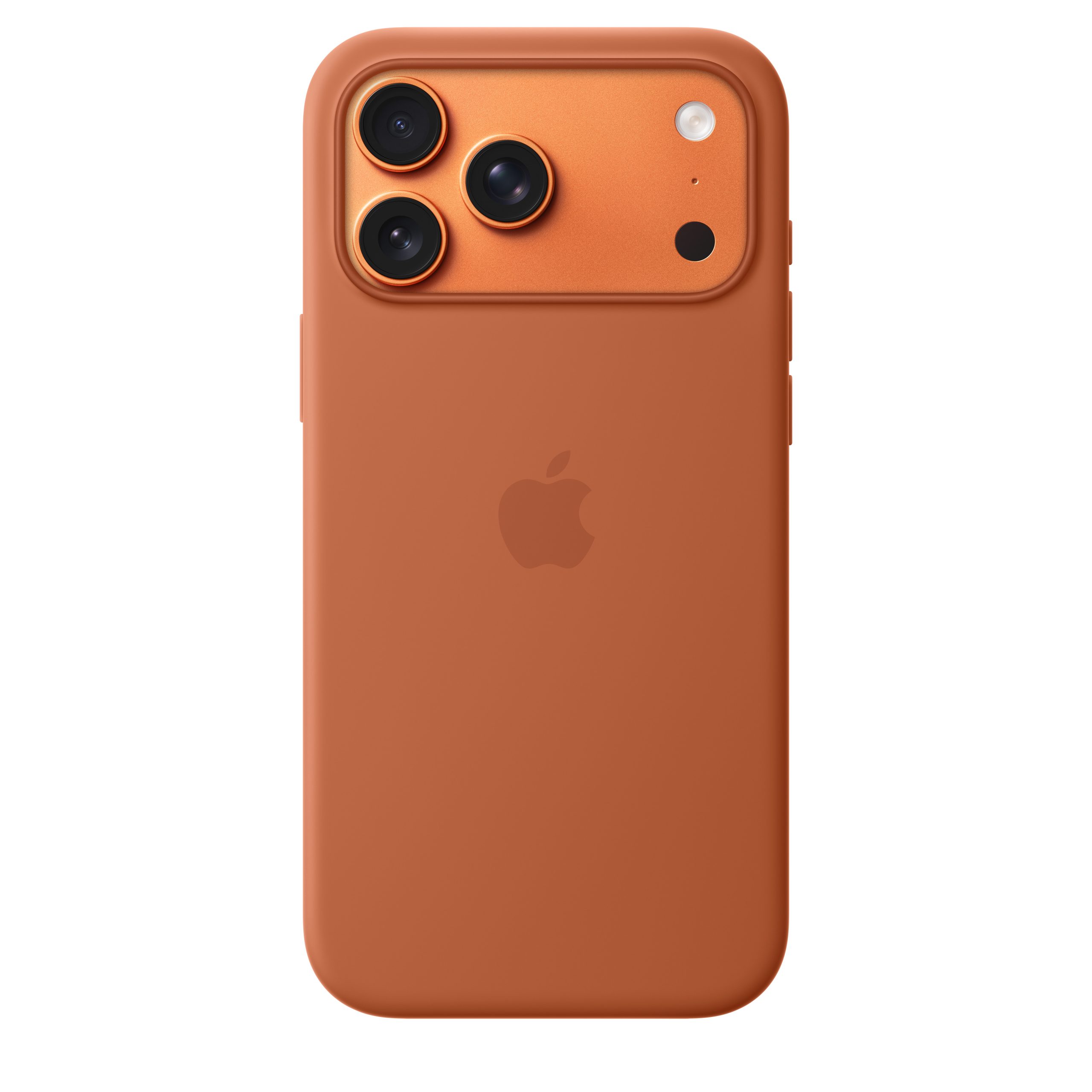
Inflationary Pressures on Next-Generation 2nm Silicon
While late-cycle buyers enjoy heavy subsidies on thoroughly tested hardware, early adopters lining up for the iPhone 18 Pro series face a starkly different financial reality. Industry reports and supply chain leaks confirm that the production of the next-generation A20 Pro chipset on TSMC’s cutting-edge 2-nanometer (N2) node comes with an unprecedented price tag. Raw 2nm silicon wafer costs have surged by nearly 50% compared to previous 3nm generations.
When you combine these skyrocketing chip manufacturing costs with complex packaging tech like Wafer-Level Multi-Chip Modules (WMCM), Apple and other hardware manufacturers are forced to pass those expenses directly to the consumer. Industry forecasts project that the base 256GB iPhone 18 Pro Max will launch at a higher MSRP—ranging anywhere from $1,299 to $1,399. By opting for an late-cycle purchase of the iPhone 17 Pro Max, I completely bypassed this generational price hike, locking in top-tier performance before the market baseline shifted upward.
Financial and Operational Acquisition Breakdown
To highlight the stark contrast between buying a refined late-cycle flagship and jumping on a brand-new release at launch, I have broken down the financial and operational metrics into the comparative table below:
| Financial & Operational Metric | iPhone 17 Pro Max (Late-Cycle Acquisition) | iPhone 18 Pro Max (Launch Window Acquisition) |
|---|---|---|
| Base MSRP (256GB) | $1,199 | $1,299 – $1,399 (Projected / Leaked) |
| Peak Carrier Trade-In Subsidy | $1,100 – $1,200 via bill credits | $800 – $1,000 (Requires highest-tier plan) |
| Net Out-of-Pocket Hardware Cost | $0 – $99 | $399 – $599 |
| Semiconductor Node Maturity | 3rd-Gen 3nm (Optimized Yields / Stable) | 1st-Gen 2nm (High Wafer Costs / Unproven) |
| Fulfillment & Delivery Time | Immediate in-store / 24-hour dispatch | 3 to 6-week backorder queues at launch |
| System Software Condition | Fully mature iOS with bug patches | Early-stage iOS launch build |
Thermal and Structural Re-Engineering: The Aluminum Unibody Advantage
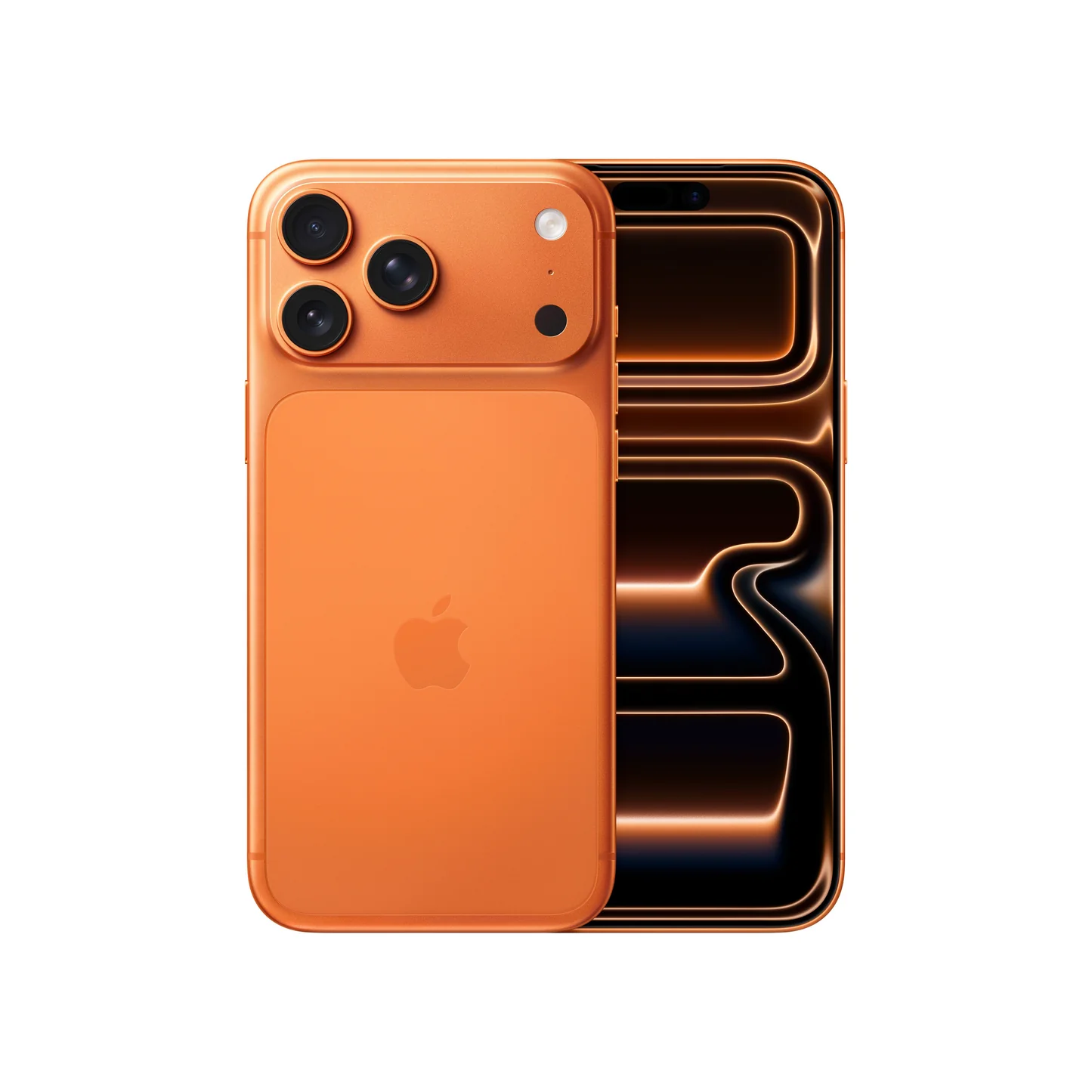
While the financial math alone makes a compelling argument, the physical construction of the device was what truly sold me. If you read our previous analyses in the Gadgets category, you know that sustained thermal performance is often the hidden bottleneck in modern smartphones. After experimenting with titanium frames in the iPhone 15 Pro and 16 Pro lines, Apple made a massive structural pivot with the iPhone 17 Pro series: ditching titanium in favor of an advanced aluminum unibody chassis paired with a half-aluminum, half-Ceramic Shield back plate.
For power users, mobile gamers, and content creators, this material change is nothing short of revolutionary. Understanding Why I Bought an iPhone 17 Pro Max Just Months Before iPhone 18 requires a quick dive into basic physics and thermal conductivity.
The Thermal Conductivity Breakthrough
Titanium was a marketing dream—it sounded space-age, felt light, and gave phones a sleek industrial look. However, Grade 5 titanium possesses terrible thermal conductivity. It acted as an insulator, trapping heat generated by high-performance System-on-Chips (SoCs) inside the center of the phone. When running demanding software—such as exporting 4K ProRes video, playing graphics-heavy AAA games at high frame rates, or running complex local AI workloads—previous titanium models would heat up rapidly, triggering aggressive thermal throttling to prevent overheating. As a result, CPU and GPU clock speeds dropped, causing frame rates to stutter.
By switching back to aluminum, Apple solved this bottleneck. Aluminum exhibits a thermal conductivity roughly ten times higher than Grade 5 titanium. By engineering a solid unibody aluminum structure, Apple turned the entire outer frame of the iPhone 17 Pro Max into a massive, passive heat sink. Heat generated by the A19 Pro chip transfers rapidly and evenly across the outer surface of the phone, eliminating isolated hot spots and keeping performance high.
Integrated Vapor Chamber Cooling Mechanics
To elevate thermal management even further, Apple introduced a custom vapor chamber cooling system—a long-overdue first for the iPhone lineup. This system utilizes a sealed, flat copper enclosure filled with a small amount of liquid working fluid under vacuum. As the A19 Pro chip generates heat under heavy processing loads:
- The internal liquid absorbs thermal energy at the SoC hot spot and evaporates into steam.
- The vapor moves rapidly through the vacuum chamber toward cooler regions adjacent to the aluminum frame.
- Upon reaching the cooler edges, the vapor condenses back into liquid, releasing its latent heat into the outer aluminum chassis.
- Capillary action inside an engineered internal wick structure draws the liquid back to the heat source to repeat the cycle continuously.
Real-world benchmark stress tests demonstrate that this combined thermal system provides up to 40% better sustained performance compared to the iPhone 16 Pro Max. Whether I am navigating long distances on highway trips with screen brightness cranked up and wireless charging active, or editing multi-track video clips on the go, the iPhone 17 Pro Max remains comfortably cool without dimming the display or slowing down system performance.
Physical Footprint and Ergonomic Realities
To fit this internal vapor chamber, add structural reinforcement, and squeeze in a larger battery, Apple made the iPhone 17 Pro Max slightly thicker and heftier than its predecessors. Here is how the physical dimensions stack up in daily use:
- Height: 163.4 mm (6.43 inches)
- Width: 78.0 mm (3.07 inches)
- Thickness: 8.75 mm (0.34 inches) — a slight increase from the 8.25 mm frame of the 16 Pro Max.
- Weight: 233 grams (8.22 ounces)
While a 233-gram device is definitely substantial in the hand, the ergonomic trade-off is well worth it. The slight increase in thickness provides a far more secure grip, while the added internal volume yields monumental gains in cooling efficiency and battery capacity. It transforms the phone from a delicate piece of glass into a rugged, dependable mobile workstation.
Watch The Full Episode on YouTube
Want to see the device in action and hear my raw hands-on reactions? Check out our full review and unboxing episode embedded directly from TheKZVerse YouTube Channel below!
Silicon Architecture & Display Mastery: A19 Pro and Super Retina XDR
At the center of the iPhone 17 Pro Max experience is the A19 Pro System-on-Chip, built on TSMC’s mature 3-nanometer N3P process node. Examining this chip’s capabilities makes it clear why waiting for the early 2-nanometer A20 Pro is unnecessary for almost every smartphone user today.
CPU, GPU, and the All-Important 12GB Memory Upgrade
The A19 Pro features a 6-core CPU configuration consisting of two high-performance cores and four high-efficiency cores. Benchmark performance easily outpaces every standard mobile workflow, but the real star of the show is the redesigned GPU architecture. Featuring a 6-core GPU with hardware-accelerated ray tracing, Apple integrated dedicated Neural Accelerators directly inside each individual GPU core.
These embedded accelerators allow parallel execution of graphics rendering and generative AI workloads. This hardware configuration enables real-time neural frame generation in high-end mobile games and instant on-device image generation without dragging down the main graphics pipeline. As we discussed in our Unboxings and Tech Reviews, this architectural choice ensures high frame rates during long gaming sessions.
Equally critical is Apple’s decision to equip the iPhone 17 Pro Max with 12GB of unified LPDDR5X RAM—a massive 50% upgrade over the 8GB ceiling found in previous generations. This extra memory buffer is vital for handling locally hosted Large Language Models (LLMs) and diffusion models via Apple Intelligence. With larger context windows stored directly in fast unified memory, background apps stay cached and responsive even while processing heavy local AI requests.
Super Retina XDR Display with Anti-Reflective Technology
The front panel of the iPhone 17 Pro Max sports a gorgeous 6.9-inch Super Retina XDR OLED display that introduces major quality-of-life upgrades for outdoor use:
- Resolution: 2868 x 1320 pixels at 460 ppi
- Dynamic Refresh Rate: ProMotion technology scaling seamlessly from 1Hz to 120Hz
- Contrast Ratio: 2,000,000:1 typical contrast
- Peak Outdoor Brightness: Reaching an astounding 3,000 nits (up from 2,000 nits on older models)
- Minimum Brightness: Drops down to 1 nit for battery-saving Always-On display functionality
However, raw brightness numbers don’t tell the whole story. Apple paired this OLED screen with a micro-etched anti-reflective optical coating layer. This coating cuts ambient glare in half, doubling effective outdoor contrast. You can read texts, frame photos, and review documents under direct sunlight without the screen washing out or forcing the OLED panel to draw maximum power for extended periods.
The Camera System: Complete Resolution Uniformity Across All Lenses
As someone who produces content for TheKZVerse, camera performance is paramount. In older generation iPhones, zooming across focal lengths meant stepping down from a razor-sharp main sensor to lower-resolution ultra-wide or telephoto sensors. The iPhone 17 Pro Max eliminates this compromise completely by introducing complete 48-megapixel resolution uniformity across all three rear camera modules
.The Rear Optical Array Detailed
The rear camera assembly is built around three specialized 48-megapixel Fusion camera systems:
- Fusion Main Wide Camera (24mm Equivalent): Features an f/1.78 aperture, dual-pixel Phase Detection Autofocus (PDAF), and second-generation 3D sensor-shift optical image stabilization. By default, it outputs sharp 24-megapixel computational photos while allowing full 48-megapixel ProRAW capture for post-processing control.
- Fusion Ultra-Wide Camera (13mm Equivalent): Utilizes a 48-megapixel sensor with an f/2.2 aperture. It dramatically improves macro photography, letting you capture fine details with ultra-high resolution and minimal edge distortion.
- Fusion Telephoto Camera (100mm Native / 4x Optical): Replacing the previous 5x optical module, Apple introduced a native 4x (100mm equivalent) tetraprism system paired with a 48MP sensor and f/2.8 aperture.
Shifting from a native 5x to a native 4x lens resolves a huge focal-length gap. On older 5x setups, subject framing between 2x (48mm) and 4.9x (119mm) relied on aggressive digital cropping from the main sensor, resulting in blurry details. The native 4x lens covers portrait distances natively. Furthermore, by utilizing center-sensor cropping on the 48MP telephoto sensor, the phone delivers a seamless, optical-quality 8x zoom (200mm equivalent) at 12 megapixels.
Full Rear Optics Specifications Table
| Lens Position | Focal Length (35mm Equiv.) | Aperture | Sensor Resolution | Output Modes | Stabilization Type |
|---|---|---|---|---|---|
| Ultra-Wide | 13 mm | f/2.2 | 48 Megapixels | 12MP, 24MP, 48MP ProRAW | Auto Image Stabilization |
| Main Wide | 24 mm (28mm/35mm) | f/1.78 | 48 Megapixels | 12MP, 24MP Default, 48MP RAW | 2nd-Gen Sensor-Shift OIS |
| 2x Optical Crop | 48 mm | f/1.78 | 48MP (Cropped) | 12MP Optical Quality | 2nd-Gen Sensor-Shift OIS |
| Telephoto (Native) | 100 mm (4x Native) | f/2.8 | 48 Megapixels | 12MP, 24MP, 48MP ProRAW | 3D Sensor-Shift OIS & AF |
| 8x Optical Crop | 200 mm (8x Crop) | f/2.8 | 48MP (Cropped) | 12MP Optical Quality | 3D Sensor-Shift OIS & AF |
The 18MP Center Stage Front Camera & Square Sensor Breakthrough
While the rear optics are impressive, the front camera features one of Apple’s cleverest hardware innovations. The TrueDepth array houses an 18-megapixel Center Stage camera with an f/1.9 aperture. However, unlike traditional rectangular sensors, this front camera uses a physical square-shaped sensor.
This square hardware layout allows the image signal processor to rotate aspect ratios electronically—switching between vertical portrait and horizontal landscape video seamlessly without requiring you to physically rotate the phone. It also powers dynamic Center Stage framing and unlocks Dual Capture, allowing creators to record 4K Dolby Vision video simultaneously from both the front camera and rear lenses for reaction videos and vlogs.
Battery Life, Fast Charging, and Custom Apple N1 Wireless Silicon
Battery endurance on the iPhone 17 Pro Max is nothing short of incredible. Thanks to the extra internal space provided by the 8.75mm aluminum frame, Apple packed in a massive 5,088 mAh single-cell battery—the largest battery capacity ever fitted into an iPhone.
- Video Playback Rating: Up to 39 hours of continuous playback.
- Streamed Video Rating: Up to 35 hours.
- Real-World Operating Endurance: Easily pushes past a full day of heavy enterprise usage, regularly stretching to 1.5 days on mixed workloads without needing power-saving modes.
Charging Performance Profiles
When you do need to plug in, power delivery has received a huge upgrade. Using a standard USB Power Delivery (USB-PD) charger rated at 40W or higher, the phone draws power between 30W and 37W during peak bursts, taking the battery from 0% to 50% in roughly 20 minutes. Wireless charging via updated Qi2.2 and MagSafe protocols reaches speeds up to 25W, hitting a 50% charge in about 30 minutes when paired with a 30W power brick.
The Apple N1 Custom Wireless Chip
Networking performance is anchored by Apple’s custom-built N1 wireless chip, replacing legacy third-party combination modules. The N1 drives Wi-Fi 7 (802.11be) with 2×2 MIMO, supporting Multi-Link Operation (MLO) across 2.4GHz, 5GHz, and 6GHz bands for low latency and blisteringly fast local network transfers.
It also incorporates Bluetooth 6.0 for precise device tracking and native Thread protocol support, allowing your iPhone to communicate directly with smart home mesh devices without needing a separate bridge hub. Cellular duties are handled by Qualcomm’s Snapdragon X80 5G modem, featuring an integrated AI tensor engine for intelligent antenna tuning and superior signal retention in crowded venues or rural zones.
Evaluating Next-Gen Rumors: The iPhone 18 Context
To fully validate Why I Bought an iPhone 17 Pro Max Just Months Before iPhone 18, we need to take a clear-eyed look at what the upcoming iPhone 18 line actually brings to the table based on industry leaks and supply chain tracking.
The Split Launch Strategy and the Ultra-Expensive iPhone Duo
Apple’s upcoming product rollout marks a major departure from previous release cycles. Industry reports confirm that Apple will not launch a standard base-model iPhone 18 in Fall 2026. Instead, Apple has moved the entry-level iPhone 18 to a Spring 2027 launch window, concentrating its Fall event on the iPhone 18 Pro, iPhone 18 Pro Max, and the debut of the flagship iPhone Duo—a ultra-premium foldable phone featuring a 5.49-inch cover display and an inner 7.8-inch screen, carrying a price tag between $1,999 and $3,000.
This product split changes the math for traditional phone buyers. Apple’s marketing spotlight will focus almost entirely on the super-expensive foldable form factor, leaving standard slab-style Pro models with minor incremental updates sold at elevated baseline prices.
Architectural Incrementalism vs. Real-World Gains
While the iPhone 18 Pro Max introduces impressive technical specs, those upgrades yield diminishing returns in daily use:
- A20 Pro (TSMC 2nm Process): While 2nm silicon promises an 18% bump in GPU speed and 30% power savings, early 2nm production nodes run hotter per square millimeter due to dense transistor layouts. Much of that extra power efficiency will be eaten up by background AI processes, yielding minimal real-world performance gains for everyday app usage.
- Mechanical Variable Aperture: The iPhone 18 Pro Max introduces a mechanical variable aperture (switching between f/1.4 and f/4.0) to its primary lens. While cool for manual camera control, it adds moving mechanical parts and increases the camera bump thickness to nearly 13.8mm without noticeably altering everyday photo quality compared to the 17 Pro Max’s crisp f/1.78 optics.
- Under-Display Face ID: Moving Face ID components beneath the display slightly shrinks the Dynamic Island, but the front camera cutout remains visible, making the aesthetic change subtle at best.
- Bulky Dimensions: The iPhone 18 Pro Max increases in bulk again, growing to a 9.00mm chassis thickness and reaching a total weight of around 240 grams.
Comprehensive Flagship Head-to-Head Comparison
Here is how the current flagship compares against the incoming next-gen hardware based on technical specs and real-world impact:
| Hardware Spec | iPhone 17 Pro Max (Current Flagship) | iPhone 18 Pro Max (Next-Gen) | Operational Impact Analysis |
|---|---|---|---|
| SoC Node | 3nm TSMC N3P (A19 Pro) | 2nm TSMC N2 (A20 Pro) | 3nm node is mature, thermally proven, and yields high performance stability. |
| System RAM | 12GB LPDDR5X | 12GB LPDDR5X (WMCM) | Identical memory capacity; both fully support future Apple Intelligence updates. |
| Main Optics | 48MP Fixed f/1.78 Aperture | 48MP Mechanical Variable Aperture | Variable aperture adds depth control but increases camera bump thickness. |
| Telephoto Lens | 48MP Tetraprism (4x Optical / 8x Crop) | 48MP Tetraprism (4x Optical) | Identical high-resolution optical zoom performance for daily photography workflows. |
| Front Optics | 18MP Center Stage (Square Sensor) | 18MP Center Stage (Under-Display) | Square sensor orientation flexibility remains identical across generations. |
| Thermal System | Aluminum Unibody + Vapor Chamber | Aluminum Unibody + Vapor Chamber | Core thermal management remains functionally identical. |
| Chassis Weight | 233 grams / 8.75 mm thickness | 240 grams / 9.00 mm thickness | The 18 Pro Max becomes noticeably heavier and thicker in hand. |
| Battery Rating | 5,088 mAh (Up to 39 Hours Video) | ~5,391 mAh (Up to 45 Hours Video) | Incremental capacity gain offset by higher peak power demands of early 2nm silicon. |
| Wireless Tech | Qualcomm X80 + Apple N1 Chip | Apple C2 Modem + N2 Wireless Chip | Qualcomm X80 modem remains the industry standard for reliable 5G throughput. |
Real-World Pros and Cons Breakdown
To help you weigh your options, here is a quick summary of the real-world pros and cons of picking up an iPhone 17 Pro Max late in its product lifecycle:
Pros:
- Unmatched Financial Value: Subsidized carrier clearance promos offer up to $1,200 in trade-in bill credits, letting you score a flagship for minimal out-of-pocket cash.
- Superior Thermal Management: The aluminum unibody frame combined with an integrated copper vapor chamber eliminates thermal throttling during long gaming sessions and 4K exports.
- Resolution Uniformity: Triple 48-megapixel rear camera sensors deliver consistent image detail across ultra-wide, standard, and 4x/8x telephoto focal lengths.
- Future-Proofed Hardware: 12GB of fast LPDDR5X RAM and the A19 Pro chip guarantee smooth performance for local Apple Intelligence features for years to come.
- Immediate Availability: Skip launch-day backorders, pre-order stress, and initial software bugs with mature iOS updates.
Cons:
- Heavier Footprint: At 233 grams and 8.75mm thick, it is noticeably bulkier in the hand than older titanium models.
- Not the absolute latest node: Misses out on the 2nm silicon shift and experimental variable aperture optics of the upcoming generation.
- Dynamic Island Cutout: Retains the standard Dynamic Island profile rather than the slightly narrowed under-display sensor cutout of the 18 Pro.
Frequently Asked Questions (FAQ)
Is buying an iPhone 17 Pro Max late in the cycle really worth it?
How does the iPhone 17 Pro Max thermal system compare to older models?
Will the 12GB RAM in the iPhone 17 Pro Max support future Apple Intelligence features?
Why did Apple shift from a native 5x lens to a native 4x lens on the 17 Pro Max?
Should I wait for the iPhone 18 Pro Max and its 2nm A20 Pro chip?
Final Verdict & Value-for-Money Thoughts
Pulling the trigger on the iPhone 17 Pro Max late in its product window was one of the smartest tech moves I have made all year. In an era where smartphone upgrades have become increasingly incremental, paying premium launch-window prices for early-adopter silicon nodes simply does not make financial or practical sense for most people.
By making this move, I unlocked a battle-tested device featuring Apple’s best thermal architecture to date, complete 48-megapixel optical clarity, industry-leading battery endurance, and 12GB of RAM built to handle the future of AI—all while saving hundreds of dollars through end-of-cycle carrier promotions. The iPhone 17 Pro Max is not a compromise; it is a masterclass in refined mobile engineering.
If you want a premium, high-performance smartphone that will easily last you four to five years without breaking the bank or dealing with first-gen hardware quirks, do not hesitate to skip the pre-launch hype and pick up an iPhone 17 Pro Max today!
Follow TheKZVerse Community
If you enjoyed this deep dive review and found this breakdown helpful, make sure to join TheKZVerse community across all our channels! We regularly post unboxings, long-term gadget reviews, tech news, and honest purchasing advice for everyday lovers of technology.
- Website: TheKZVerse.com
- YouTube: Subscribe to TheKZVerse on YouTube
- Instagram: Follow @thekzverse on Instagram
- Facebook: Like TheKZVerse on Facebook
- TikTok: Follow @thekzverse on TikTok
- Threads: Connect with @thekzverse on Threads
Have thoughts or questions about buying late-cycle tech? Drop a comment below or join the conversation on our social media pages—we would love to hear your take!
Subscribe to our email newsletter to get the latest posts delivered right to your email.
Comments